
A vet tech program in Alhambra is often the first step for people who love animals but want a stable, hands-on healthcare career.
I remember speaking with a friend who worked at a small animal clinic and felt stuck doing basic tasks like cleaning kennels and answering phones.
She loved being around pets, but she wanted more responsibility and a career path that actually made a difference.
That is when she started looking into veterinary technician training in her area.
What she found completely changed how she saw her future.
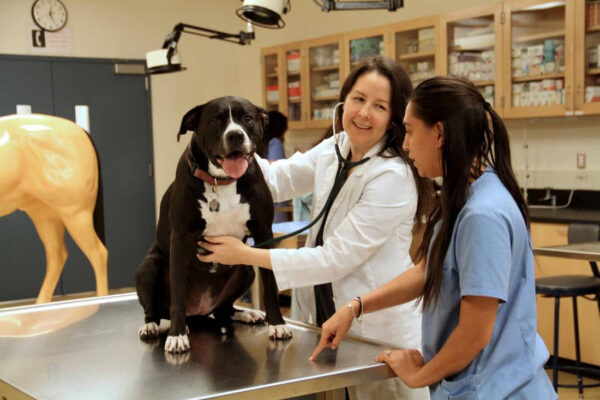
A Career That Goes Beyond Loving Animals
Many people assume working with animals is all cuddles and playtime, but the reality is very different.
A veterinary technician is trained to assist in surgeries, perform lab tests, monitor anesthesia, and support veterinarians during critical procedures.
It is a role that combines compassion with technical skill.
In Alhambra, students are drawn to programs that teach both the science and the hands-on aspects of animal care.
This balance makes the career both meaningful and practical.
One student I spoke with said her first time assisting in a dental cleaning for a dog completely shifted her mindset.
She realized she was not just helping animals feel better but actively improving their health.
To explore how structured training builds these skills, many prospective students review a vet tech program Alhambra that focuses on real-world clinical experience.
Why Location Matters for Training
Choosing a local training program is not just about convenience.
Being in Alhambra means access to nearby clinics, animal hospitals, and internship opportunities that give real-world exposure.
Students often find themselves practicing skills in environments that mirror what they will experience after graduation.
This local connection helps bridge the gap between classroom learning and professional work.
For many, it also reduces the stress of commuting long distances while balancing school and life responsibilities.
Hands-On Learning That Builds Confidence
The biggest difference between reading about veterinary care and actually doing it is confidence.
Hands-on training allows students to practice drawing blood, preparing surgical tools, and handling animals safely.
These are not skills you can master by watching videos alone.
A former student shared how nervous she was during her first lab session.
She worried about hurting the animal or making a mistake.
But after repeated practice under supervision, she gained the confidence to handle real patients in a clinic.
That confidence carried over into her first job.
A Structured Path Into Veterinary Medicine
One of the most appealing aspects of a veterinary technician program is the clear path it provides.
Unlike many careers that require years of uncertainty, this field offers a defined route from training to certification.
Students learn about anatomy, pharmacology, radiology, and clinical procedures in a structured way.
This ensures they are prepared for licensing exams and entry-level roles.
For those who eventually want to become veterinarians, this path also serves as valuable experience.
It offers insight into the daily responsibilities of animal healthcare professionals.
Real-Life Experience Makes a Difference
Classroom learning is important, but real-life experience is where everything comes together.
Many programs include externships where students work directly in clinics or hospitals.
This is where they interact with pet owners, assist during emergencies, and see the emotional side of the job.
One graduate told me about a case where a dog came in with severe dehydration.
She helped monitor fluids and saw the animal recover over the next few hours.
That moment stayed with her because it showed how much impact her work could have.
Experiences like these build both skill and empathy.
Career Opportunities After Graduation
Graduates are not limited to just one type of workplace.
Veterinary technicians can work in private clinics, emergency hospitals, research labs, or even zoos.
Some specialize in areas like dentistry, anesthesia, or exotic animal care.
This flexibility allows individuals to shape their careers based on their interests.
In a growing city like Alhambra, the demand for trained professionals continues to rise.
Pet ownership is increasing, and with it comes the need for qualified support staff in veterinary settings.
Supportive Learning Environment
A strong program does more than teach technical skills.
It creates a supportive environment where students feel comfortable asking questions and learning from mistakes.
Instructors often have years of experience in the field, which adds real-world insight to the lessons.
This guidance helps students understand not just how to perform tasks, but why they matter.
Small class sizes and interactive labs also make a difference.
Students get more individual attention, which improves their overall learning experience.
Balancing Passion With Practical Skills
Loving animals is important, but it is not enough on its own.
The job requires attention to detail, communication skills, and the ability to stay calm under pressure.
Programs in Alhambra focus on developing these qualities alongside technical training.
Students learn how to communicate with pet owners, explain procedures, and handle emotional situations.
These soft skills are just as important as clinical abilities.
They help build trust between the technician, the veterinarian, and the client.
The Importance of Accreditation and Quality Training
Not all programs are created equal.
Accreditation ensures that the education meets industry standards and prepares students for certification.
It also increases job prospects after graduation.
Students should look for programs that offer a well-rounded curriculum, experienced instructors, and hands-on training opportunities.
These factors can make a significant difference in career outcomes.
A Day in the Life of a Veterinary Technician Student
A typical day in training is far from boring.
Students might start with a lecture on animal anatomy and move into a lab session practicing restraint techniques.
Later in the day, they could be learning how to run diagnostic tests or assist in a mock surgical setup.
This variety keeps the learning process engaging.
It also prepares students for the fast-paced nature of working in a veterinary clinic.
One student described it as challenging but rewarding.
She said every day felt like she was getting closer to her goal.
Building a Career With Purpose
Choosing a career is about more than just earning a paycheck.
It is about finding something that feels meaningful.
Working with animals provides a sense of purpose that many people find deeply fulfilling.
Every day brings new challenges and opportunities to make a difference.
From helping a sick pet recover to educating owners on proper care, the impact is real.
That is what draws so many people to this field.
Is This the Right Path for You
Not everyone is suited for this type of work.
It can be physically demanding and emotionally challenging at times.
But for those who are passionate about animal health and willing to learn, it can be incredibly rewarding.
If you enjoy hands-on work, problem-solving, and helping others, this career may be a perfect fit.
Exploring your options and speaking with professionals in the field can provide valuable insight.
Taking the First Step Toward Your Future
Starting a new career can feel overwhelming, but taking the first step is often the hardest part.
Researching programs, visiting campuses, and talking to current students can help you make an informed decision.
The journey may require dedication and effort, but the rewards are worth it.
A career in veterinary technology offers stability, growth, and the chance to work with animals every day.
For many students, choosing a program in Alhambra is not just about education.
It is about building a future they can be proud of.